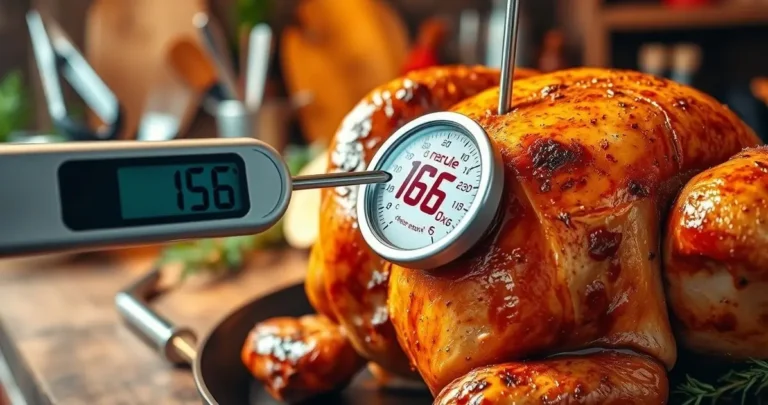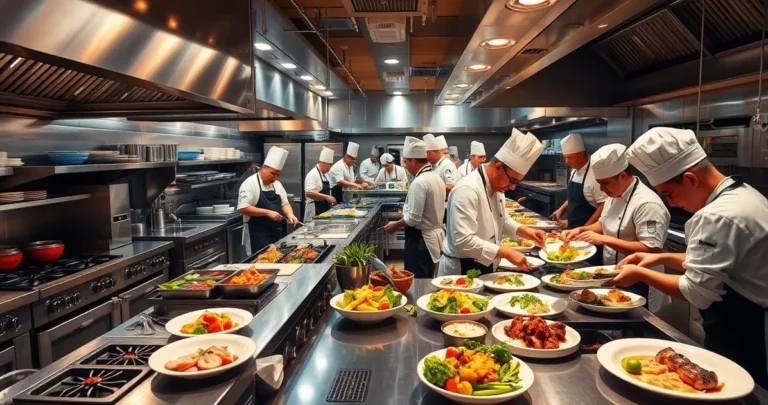

In this presentation, we explore effective methods for cleaning and storing your cooking tools and equipment to maintain hygiene and longevity. Proper care ensures that your kitchen tools remain in great condition for all your culinary adventures.
How to clean and store cooking tools and equipment ppt
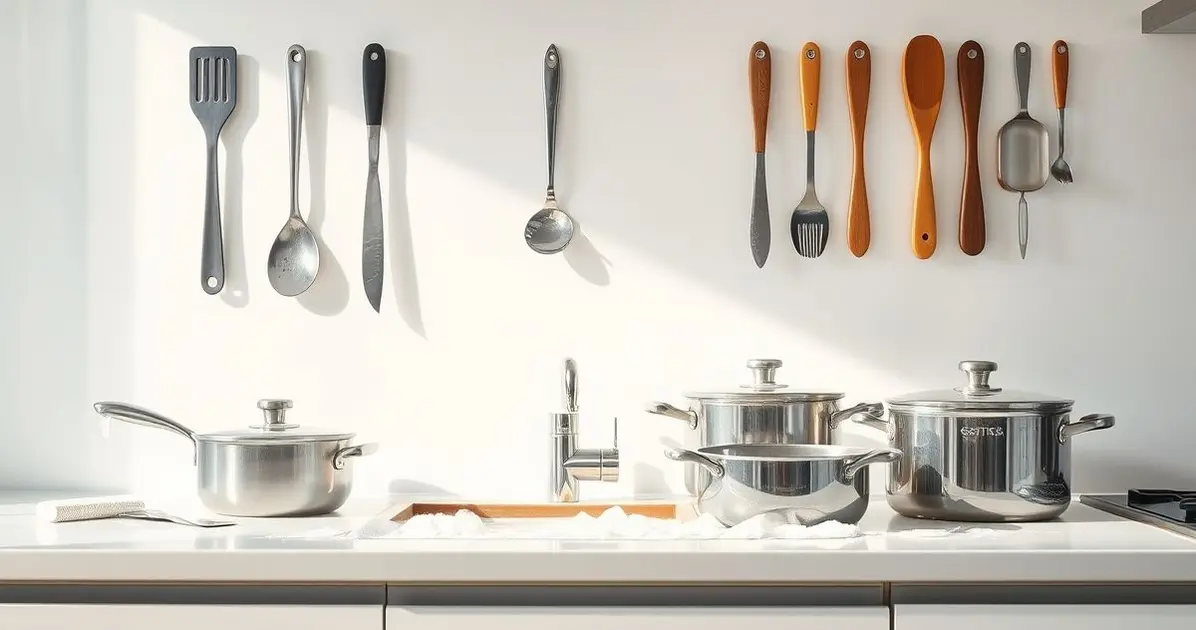
This PowerPoint covers essential tips and techniques for cleaning and storing your cooking tools and equipment. Learn how to effectively maintain your kitchen items, ensuring they stay organized and in top shape, ready for your next cooking session.
Best Practices for Maintaining Knives and Cookware
Maintaining knives and cookware is essential for ensuring their longevity, performance, and safety in the kitchen. Proper care not only enhances usability but also promotes hygiene. Here are some best practices for maintaining your knives and cookware:
1. Cleaning Knives: Knives are fundamental tools in the kitchen and require specific care:
- Immediate Cleaning: Wash knives immediately after use with warm, soapy water to prevent food residues from hardening. Avoid soaking knives, as this can damage the handle and blade.
- Hand Washing: Always hand wash knives instead of placing them in the dishwasher, as the harsh environment can dull the blades and damage the handles.
- Drying: After washing, dry knives immediately with a clean towel to prevent rust and water spots. Store them safely in a knife block or on a magnetic strip to protect the blades.
2. Maintaining Cookware: Different types of cookware require specific maintenance techniques:
- Stainless Steel Cookware: Clean with warm, soapy water and a soft sponge. For stubborn stains, use a paste of baking soda and water, scrub gently, then rinse and dry.
- Cast Iron Cookware: Avoid using soap; instead, scrub with a stiff brush and hot water. Dry immediately and apply a thin layer of oil to maintain seasoning and prevent rust.
- Non-Stick Cookware: Hand wash with warm, soapy water and a soft sponge. Avoid using metal utensils to prevent scratching the non-stick surface.
3. Regular Inspection: Regularly check your knives and cookware for signs of wear:
- Sharpness Check: For knives, regularly check the sharpness and sharpen them as needed to maintain performance.
- Inspect Cookware: Look for scratches, warping, or signs of damage in cookware, and replace items that show significant wear.
4. Proper Storage: Storing knives and cookware properly can prevent damage:
- Knife Storage: Use a knife block, magnetic strip, or protective sheaths to keep knives safe and sharp. Avoid storing them loose in a drawer.
- Cookware Storage: Stack pots and pans carefully, using protective liners to prevent scratching. Use pot racks or hooks to keep them organized and accessible.
In summary, best practices for maintaining knives and cookware involve regular cleaning, proper drying, and careful storage. By following these maintenance techniques, you can ensure that your kitchen tools remain in excellent condition, enhancing your cooking experience and promoting food safety in your kitchen.
Cleaning Methods for Various Materials
Cleaning methods for various materials are essential for maintaining the quality and longevity of your kitchen tools and cookware. Different materials require specific cleaning techniques to ensure they remain safe, hygienic, and effective. Here’s a comprehensive guide on how to clean common kitchen materials:
1. Stainless Steel: Stainless steel is a durable and non-reactive material, but it can develop stains and water spots:
- Basic Cleaning: Use warm, soapy water and a soft sponge to clean stainless steel tools and cookware after each use. Rinse thoroughly and dry with a clean towel to prevent water spots.
- Removing Stains: For stubborn stains, create a paste of baking soda and water. Apply the paste to the stained area, let it sit for a few minutes, and then scrub gently with a soft sponge. Rinse and dry.
2. Cast Iron: Cast iron requires special care to maintain its seasoning and prevent rust:
- Cleaning Method: Avoid using soap. Instead, scrub with a stiff brush and hot water. For tough residues, use coarse salt as an abrasive.
- Drying: Dry the cookware immediately after washing to prevent rust. You can place it on low heat to ensure it is completely dry.
- Seasoning: Regularly apply a thin layer of vegetable oil to maintain the seasoning and prevent sticking.
3. Non-Stick Cookware: Non-stick pans require gentle cleaning to preserve their coating:
- Hand Washing: Always hand wash non-stick pans with warm, soapy water and a soft sponge. Avoid using abrasive cleaners or scouring pads that can scratch the surface.
- Grease Removal: If grease buildup occurs, soak the pan in warm soapy water for a few minutes before cleaning to help loosen the residue.
4. Copper Cookware: Copper cookware requires special cleaning to maintain its appearance:
- Cleaning Method: Use a mixture of vinegar and salt or a dedicated copper cleaner to restore shine. Avoid using abrasive materials that can scratch the surface.
- Regular Maintenance: Clean copper cookware regularly to prevent tarnishing and maintain its performance.
5. Wooden Utensils: Wooden utensils require specific care to maintain their quality:
- Hand Washing Only: Always hand wash wooden utensils with mild soap and warm water. Avoid soaking them to prevent warping or cracking.
- Oil Treatment: Periodically apply food-safe mineral oil to wooden utensils to keep them hydrated and prevent drying out.
In summary, cleaning methods for various materials involve specific techniques tailored to ensure the longevity and effectiveness of your kitchen tools. By following these guidelines for stainless steel, cast iron, non-stick, copper, and wooden materials, you can maintain a clean, safe, and efficient cooking environment.
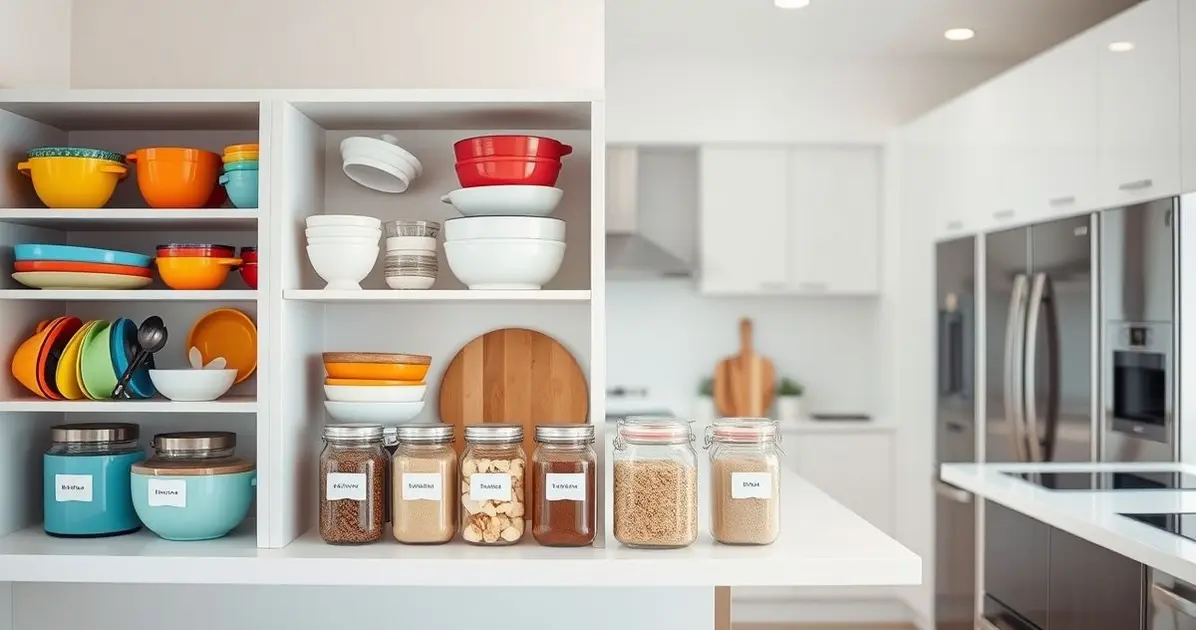
Importance of Proper Storage Techniques
The importance of proper storage techniques in the kitchen cannot be overstated, as they play a crucial role in maintaining the quality and longevity of your cooking tools and ingredients.
Effective storage solutions not only help keep your kitchen organized but also ensure food safety and efficiency during meal preparation. Here’s a closer look at why proper storage techniques are essential:
1. Preventing Damage: Proper storage techniques help protect your kitchen tools and equipment from damage:
- Avoiding Scratches and Dents: Storing pots, pans, and utensils carefully prevents scratches and dents that can occur when items are stacked or jostled together.
- Maintaining Sharpness: Knives should be stored in a way that protects their blades, such as in a knife block or on a magnetic strip, to prevent dulling and injury.
2. Ensuring Food Safety: Proper storage techniques are vital for food safety:
- Reducing Contamination: Keeping raw meats separate from other foods and using airtight containers for perishables helps prevent cross-contamination and spoilage.
- Maintaining Freshness: Storing ingredients in appropriate conditions—such as refrigerating perishables and keeping dry goods in cool, dark places—helps maintain their freshness and nutritional value.
3. Enhancing Organization: Effective storage solutions contribute to a more organized kitchen:
- Easy Access: Organizing tools and ingredients in a logical manner makes it easier to find what you need quickly, streamlining meal preparation.
- Maximizing Space: Utilizing vertical space and drawer organizers can help maximize storage capacity, keeping your kitchen tidy and functional.
4. Promoting Efficiency: Proper storage techniques can enhance cooking efficiency:
- Reduced Prep Time: When everything is organized and easily accessible, you can spend less time searching for tools or ingredients and more time cooking.
- Batch Cooking and Meal Prep: Effective storage allows you to batch cook and meal prep efficiently, making it easier to prepare meals in advance and reduce waste.
5. Encouraging Good Hygiene Practices: Proper storage is essential for maintaining hygiene in the kitchen:
- Minimizing Pests: Storing food in sealed containers helps prevent pest infestations and keeps your kitchen clean and safe.
- Cleanliness: Regularly organizing and decluttering your storage areas reduces the risk of spills and contamination, promoting a hygienic cooking environment.
In summary, the importance of proper storage techniques in the kitchen lies in their ability to prevent damage, ensure food safety, enhance organization, promote efficiency, and encourage good hygiene practices. By implementing effective storage solutions, you can create a well-organized and functional kitchen that supports your cooking endeavors and contributes to a healthier lifestyle.
Streamlining Your Kitchen Routine for Better Cooking
Streamlining your kitchen routine for better cooking is essential for enhancing efficiency, reducing stress, and making the culinary experience more enjoyable.
By implementing a few key strategies, you can optimize your cooking process and create delicious meals with ease. Here are some practical tips for streamlining your kitchen routine:
1. Meal Planning: Planning your meals in advance is one of the most effective ways to streamline your kitchen routine:
- Create a Weekly Menu: Outline your meals for the week, including breakfast, lunch, dinner, and snacks. This helps you stay organized and reduces last-minute decisions about what to cook.
- Make a Shopping List: Based on your meal plan, create a detailed shopping list to ensure you have all the necessary ingredients on hand, minimizing trips to the store.
2. Prep Ingredients Ahead of Time: Preparing ingredients in advance can save time during cooking:
- Chop and Store: Wash, peel, and chop vegetables and fruits ahead of time, storing them in airtight containers for quick access during meal preparation.
- Marinate Proteins: Marinate meats or tofu the night before or in the morning to enhance flavor and reduce cooking time later.
3. Organize Your Workspace: A well-organized kitchen can significantly improve your cooking efficiency:
- Keep Tools Accessible: Store frequently used utensils and cookware within easy reach to minimize movement while cooking.
- Declutter Countertops: Keep countertops clear of unnecessary items to create an efficient workspace, allowing for better focus on cooking.
4. Use Time-Saving Appliances: Incorporating time-saving appliances can streamline your cooking process:
- Slow Cookers and Pressure Cookers: These appliances allow for set-and-forget cooking, enabling you to prepare meals with minimal hands-on time.
- Food Processors and Blenders: Use these tools to quickly chop, slice, and blend ingredients, reducing prep time significantly.
5. Implement Efficient Cooking Techniques: Adopting efficient cooking techniques can also save time:
- Batch Cooking: Prepare larger quantities of meals to have leftovers for the week, which can save time on busy days.
- One-Pan Meals: Consider recipes that can be cooked in one pan to minimize cleanup and streamline the cooking process.
6. Set a Routine: Establishing a cooking routine can help you become more efficient in the kitchen:
- Designate a Cooking Day: Choose a specific day for meal prep or batch cooking to create a consistent routine that fits your schedule.
- Involve Family Members: Get family members involved in the cooking process to make it a fun and collaborative experience.
In summary, streamlining your kitchen routine for better cooking involves meal planning, prepping ingredients in advance, organizing your workspace, using time-saving appliances, implementing efficient cooking techniques, and setting a routine. By embracing these strategies, you can enhance your cooking experience, save time, and enjoy delicious meals with ease.
Conclusion
In conclusion, streamlining your kitchen routine is essential for improving efficiency and enhancing your overall cooking experience.
By implementing strategies such as meal planning, prepping ingredients ahead of time, and organizing your workspace, you can significantly reduce cooking time and minimize stress.
Utilizing time-saving appliances like slow cookers and food processors further enhances your ability to prepare delicious meals with ease.
Additionally, adopting efficient cooking techniques and establishing a consistent routine can transform your culinary practices, making cooking more enjoyable.
Ultimately, embracing these tips not only allows you to create flavorful dishes but also fosters a more organized and functional kitchen environment.
By prioritizing these practices, you can elevate your cooking skills and enjoy the satisfaction of preparing home-cooked meals with confidence and joy.
FAQ – Frequently Asked Questions about Streamlining Your Kitchen Routine
How can meal planning help save time in the kitchen?
Meal planning allows you to organize your meals for the week, create a shopping list, and reduce last-minute decisions, which saves time during cooking.
What are some effective ways to prep ingredients in advance?
You can wash, peel, and chop vegetables and fruits ahead of time, and marinate proteins the night before to save time during meal preparation.
What should I consider when organizing my kitchen workspace?
Keep frequently used tools and cookware within reach, declutter countertops, and create designated areas for different cooking tasks to enhance efficiency.
What are some time-saving appliances I can use in the kitchen?
Consider using slow cookers, pressure cookers, food processors, and blenders to save time on meal prep and cooking.
How can I implement efficient cooking techniques?
Try batch cooking larger quantities of meals for leftovers and one-pan recipes to minimize cleanup and streamline the cooking process.
What is the benefit of involving family members in cooking?
Involving family members in the cooking process can make it a fun and collaborative experience, while also sharing the workload.
See more
Discover plenty of easy and delicious recipes you can make at home, from hearty dinners to indulgent desserts and wholesome breakfasts.